helplines
Posted by CorinneRamey on Apr 02, 2008
In 2005, Samsung released a phone designed especially for women. The phone, with a "curvaceous, feminine design" included applications like a fragrance and aromatherapy guide, a shopping list, a calorie counter, a biorhythm clock, and a calendar to help women keep track of their periods. "Almost every woman will desire it," wrote one reviewer, in a piece entitled "High tech for the ladies."
Those marketers and reviewers have it all wrong.
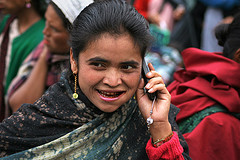
For women around the world, mobile phones are not about sexy designs and knowing when it's that time of the month. Mobile phones are slowly changing the lives of women who use them and the communities in which they live. They've created a path out of poverty for many women in the developing world, as microfinance and "phone ladies" running businesses increase in numbers. Mobiles are enabling translation for victims of domestic violence in the United States, provide Ukrainian sex workers a way to safety, and protect Philippine domestic workers in the Middle East. Mobile phones are giving voice to female reporters in Africa and encouraging free speech in Egypt. And as mobile phones become increasingly ubiquitous -- they're already at 3.3 billion and counting -- they are likely to continue to influence the lives and societies of the women who use them in the future.