Access to basic health service is limited in rural areas of Bangladesh, where 80% of the total population lives. For instance, 35% of doctors and 30% of nurses are located in four metropolitan districts where only 14.5% of the population lives. Most of the rural people are physically remote from the qualified health care providers. Two major mobile phone service providers in Bangladesh have initiated mobile health care help line service s nationwide as a remedy in this case. Since there is much hope of mobile phones to be used for basic health care services for populations living in rural areas, this research aims to evaluate how far such interventions reached for the improvement of health care in those communities. Through an interpretive case-based research strategy, our field studies uncover enthusiasm from the rural people towards availing health help line services and the intervention's contribution to improved health-seeking behavior.
IFFCO: Cell Phone Messages with Farmer Advice data sheet 7600 Views
Chandra Shekar, a farmer who grows crops such as tomatoes and carrots and raises cows and other animals, lives in a remote village in Kolar, India in the state of Karnataka. For the past year, he's received daily voice messages with advice which have helped him to keep his sheep healthy, control diseases that threaten his crops and know what medicines to feed his animals. He has also had access to a helpline that allows him to ask questions to experts, while standing in the field of his farm, next to his animals. "Messages on animal husbandry are serving like daily doctor to me," Shekar said. "When cow was suffering from bloating, it was effectively controlled by making cow to drink groundnut oil which was given in the message."
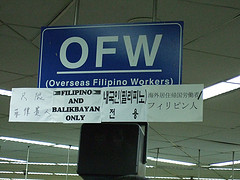
A single computer, hooked up to a modem in Bobby Soriano's house in the Philippines, receives a steady of stream of text messages begging for help. There have been messages from Philippine seamen, who, after being accused of the murder of a Korean captain, were forced to confess by Omani police. There was a Philippine domestic worker in Lebanon who was forced to flee to the mountains to escape Israeli bombings, and a message from twenty Philippine sailors who were evicted from their ship by police near Denmark. In each of these cases, a single SMS message with the keyword "SOS" was sent to a hotline in the Philippines, activating a network of nonprofits and government agencies to come to the workers' rescue.