In the West African nation of Mali, back street vendors power the mobile phone market. The major players -- Ikatel, a division of France Telecom, along with the homegrown Malitel -- have official stores, but most of their sales come from the street. In West Africa, subscription service is rare. Instead, mobile phone users purchase plastic-wrapped cards of varying denominations, scratch off a silvery bar much like those found on an instant lottery ticket, and recharge their phones with the code hidden underneath. These cards can be purchased from tin-roofed convenience shacks, egg sandwich vendors, or random men walking down the street, stacks of soccer jerseys slung over their shoulders.
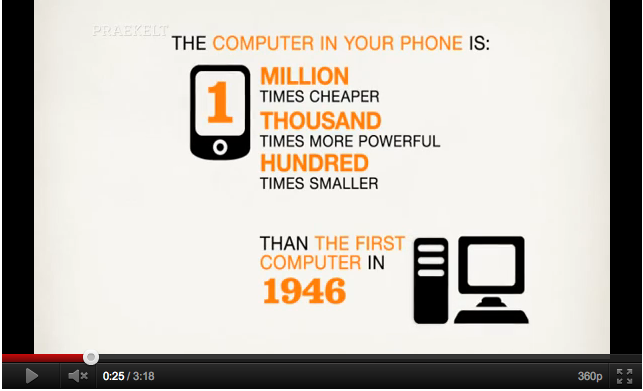
The Praekelt Foundation, a South African organization that runs several mobile-based programs in South Africa, recently produced a catchy video infographic of mobile statistics for Africa. Looking at accessibility, growth, and usage, the video gives a good look at how mobiles have taken off in in the continent of Africa.
The video covers a lot of facts about mobiles, from a breakdown of the rapid growth of mobile phones compared to other forms of media (like radio and television) to the huge drop in price points (the first mobile phone cost US $3995 in 1973 compared to roughly US $15 for certain models today). Some facts from the video:
"Today the number of SMSs sent and received everyday exceeds the population of the planet"
"In 2002 there were 49 million cellphones in Africa, now there are 500 million"
"In Africa, over 95% of mobile users are pre-paid subscribers"
The video also covers other uses of mobile phones such as Please Call Me messages (in which pre-paid mobile users who have used up their airtime send a free message requesting a call back from whomever they want to speak to) and mobile payments, reporting that almost 11% of Kenya's GDP goes through the M-PESA system. M-PESA, a mobile money transfer system, registers almost 10,000 new people each day to use mobile phones to transfer money credits.
If you're curious about the mobile situation in Africa, take a few minutes to watch!
Mobile Media Services at Sub-Saharan African Newspapers data sheet 1446 Views
Author:
Kristina Bürén
Publication Date:
Aug 2011
Publication Type:
Report/White paper
Abstract:
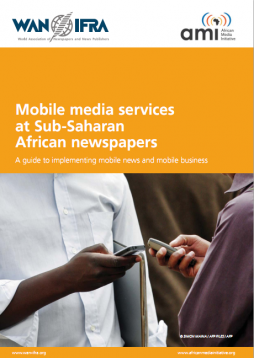
Published by the World Association of Newspapers and News Publishers (WAN-IFRA) and the African Media Initiative (AMI), this guidebook aims to help African newspapers implement mobile platforms.
Billed as a guidebook, and not a one-size-fits-all rulebook, the guide aims to help Sub-Saharan African news publishers develop and implement mobile services. The report is based on a series of on-site interviews with newspapers in Uganda, Kenya, and South Africa, including The Observer and the Daily Monitor in Uganda, The Standard and the Daily Nation in Kenya, and Grocott's Mail, Mail & Guardian, Avusa Group, and News24.comin South Africa.
See also this blog post with more information on the guidebook.
At MobileActive.org, we often write about mobile-based projects that other organizations and practitioners in the field carry out. We don't often highlight our our own mobile project implementations or discuss our own challenges and lessons, as many are sensitive in nature. Here, however, is a project we can talk about.
As part of a USAID-funded project, MobileActive.org provides new media consulting to NGOs and independent media organizations in developing countries to enhance their communication and coordination efforts. We work in countries as diverse as Zimbabwe, Bosnia, and Peru, Egypt, Guatemala, and Serbia. Recently, we assisted an organization in Benin, West Africa, implement an SMS election observation project. 300+ trained observers took part in monitoring the presidential and legislative elections in March and April 2011.
A just-published guide from the World Association of Newspapers and News Publishers (WAN-IFRA) is all about making media mobile, specifically at newspapers in Sub-Saharan Africa. The full report is available for download here.
Billed as a guidebook, and not a one-size-fits-all rulebook, the guide aims to help Sub-Saharan African news publishers develop and implement mobile services. The report is based on a series of on-site interviews with newspapers in Uganda, Kenya, and South Africa, including The Observer and the Daily Monitor in Uganda, The Standard and the Daily Nation in Kenya, and Grocott's Mail, Mail & Guardian, Avusa Group, and News24.com in South Africa.
Though the primary audience of the guidebook is media managers, there are lessons and tips for anyone interested in the current state of and potential future for mobile print media in Sub-Saharan Africa.
We would have wished that there was a greater focus on online media as the guide is almost entirely focused on print. Given the fast growth of online media outlets in a number of African media markets, this is an unfortunate limitation.
At the same time, the guide provides a detailed landscape of mobile telephony in Africa, including usage and infrastructure and access points (including SMS, mobile Internet and data, Sim Tool Kit, USSD, voice and interactive voice response). See explanations and examples of these access points in the Mobile Media Toolkit Glossary, here.
Claim Mobile: Engaging Conflicting Stakeholder Requirements in Healthcare in Uganda data sheet 563 Views
Author:
Ho, Melissa R., Emmanuel K. Owusu, and Paul M. Aoki.
Publication Date:
Jan 2009
Publication Type:
Report/White paper
Abstract:
Claim Mobile is a platform designed to support a project that subsidizes healthcare by reimbursing health service providers in Uganda for treatment of patients with sexually transmitted infections. As with many development projects, the Uganda Output-Based Aid (OBA) project involves a number of stakeholders: the service providers, the project implementers,the financiers, and the Ugandan government. Design of an appropriate solution requires meeting the various and conflicting requirements of all of these stakeholders. In this paper we detail the rapid design and testing of a pilot implementation of a mobile and web-based system for processing claims forms, based on two prior field visits to Uganda. Based on a comparative device study, semi-structured interviews, health clinic surveys, and a brief deployment, we affirm the selection of the mobile phone as a platform from the health clinic perspective, and further suggest that effective design for development requires more than addressing requirements of the the “users” of the mobile phones but also all the other stakeholders involved, who may have conflicting requirements.
Futures of Technology in Africa data sheet 2045 Views
Author:
Grosskurth, Jasper
Publication Date:
Jan 2010
Publication Type:
Report/White paper
Abstract:
Technology holds many promises as a driver of positive changes, as a tool to address the problems and as an enabler to fulfil the potential. Economic development requires modern technology and technology plays an important role in most strategies for alleviating hunger and poverty. Technology can reduce transaction costs, save lives, facilitate education, strengthen entrepreneurship, provide access to markets and help to deliver basic services, ranging from water and sanitation to public administration. However, the same technology can also be destructive and a cause of problems. Some technological developments can be facilitated or managed, others happen and require an adequate response.
It is this manifold interrelation of technology with its environment that makes exploring the future of technology so interesting and valuable. There is a need to explore how technology in Africa will or might evolve; to discuss the drivers and the obstacles, the issues technology might resolve and the problems it might cause; to identify how technology changes society and how African societies might change global technology. These are big and complex questions and the STT foresight project, which ends with this publication, is a contribution to this discussion that is still in its infancy with respect to Africa.
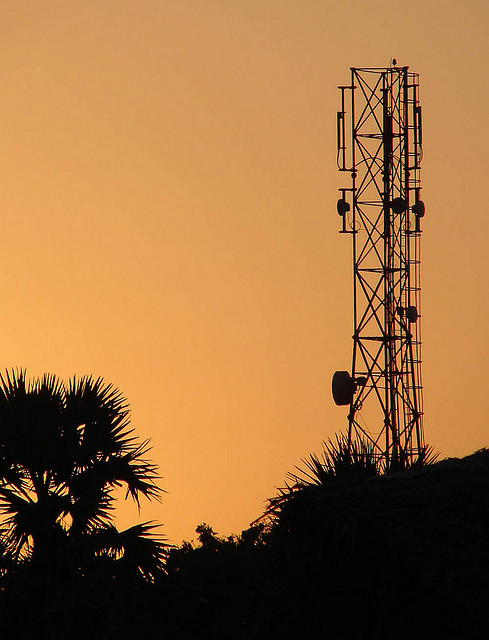
Nearly 1.6 billion people in the world live without access to electricity. This is a quarter of all humanity. At the same time, off-grid power stations from mobile towers often produce excess energy.
A new initiative from the GSMA Development Fund in partnership with Lighting Africa, International Finance Corporation and World Bank, seeks to combine this lack of electricity with excess power from mobile stations. The resulting project is called the Community Power from Mobile (CPM) initiative.
The initiative will support and encourage mobile network operators and tower-sharing companies in developing countries to provide excess power generated by their base stations to local, off-grid communities. This power can then be used for anything from charging handsets and lanterns to powering local schools and clinics. Case studies already exist and the CPM initiative is setting out to test a business model for future deployments, said David Taverner, director for the Green Power for Mobile (GPM) program at the development fund.
MobileActive.org spoke with Taverner to learn more about the goals of the initiative.
Today's Mobile Minute brings you news about the six organizations that won social networking grants from infoDev, the way mobile advertising is used in Europe, the launch of 4G networks in Africa, accusations of rigging in India's bandwidth auctions, and a CGAP series that de-hypes mobile banking with actual data.
InfoDev announced the winners of its social networking grants for organizations working in Africa and Asia. The winners were Akirachix (Kenya), MoMo Kampala (Uganda), COSTECH (Tanzania), Mobile Monday (Mozambique), CRC Topica (Vietnam), and Young Innovations Pvt. Ltd. (Nepal). The winners received $35,000 U.S. as part of the Creating Sustainable Businesses in the Knowledge Economy program.
Innovative ways of appropriating mobile telephony in Africa data sheet 2918 Views
Author:
Annie Chéneau-Loquay
Publication Date:
Sep 2010
Publication Type:
Report/White paper
Abstract:
The report entitled "Innovative ways of appropriating mobile telephony in Africa" is published by the French Ministry of Foreign and European Affairs and the International Telecommunication Union (ITU).
The democratization of mobile telephony in Africa, its availability, ease of use and, above all, the extent to which it has been appropriated by the public, have made it a major success story. Very low-income populations are not only actively demanding access to mobile telephone services but also innovating by creating the functions and applications they can use. Development is thus happening “from the bottom up” and an entire economy, both formal and informal in nature, has come into being to meet people’s needs. Many different actors – private, public, NGOs – are now mobilized.
Operators and manufacturers have successfully changed their economic model and adapted their products and applications to allow access to services at affordable prices. NGOs have in addition created a range of messaging- based services in different sectors. However, the future evolution of mobile telephony is not clear. A range of different approaches will co-exist, from SMS up to full Internet capacity, including experimental initiatives using smart phones and “netbooks”. Falling costs will lead to an increase in the number of phone devices with data receiving capacity.
Individuals and companies involved in creating services or applications for development will need to take account of their users’ demographics and incomes, as well as the pricing systems of telecommunication companies in countries where they wish to operate. In this, states and regulating authorities have grasped the crucial role which they must play in promoting an investment-friendly environment with the goal of achieving universal access and stimulating innovation – key factors in achieving a “critical mass” of users.
The advent on the African continent of high-capacity links via submarine cables will change the ground rules and force operators to seek new sources of revenue. The inventiveness that has already been evident in mobile voice telephony will be needed once again if the “mobile divide” (in terms of costs, power supply, and so on) is not to widen.
This report takes stock of developments in this sector, which is crucial to Africa’s economic development, and suggests a number of possible directions it might take.
Today's Mobile Minute covers the mobile gender gap, mobiles in the classroom that allow deaf children to learn alongside hearing children, a study about mobile over-sharing, mobile credits on cell phones during disasters, post-Haiti disaster management with ICTs, and a 90-second interview with Patricia Mechael about mobile health.
The Child Africa International School in Kabale, Uganda encourages the use of SMS at school in order to foster communication between hearing and non-hearing students, as described in "Deaf Children are Being Heard in Africa." (Hat tip Textually.org)
According to a Webroot Study of 1,645 social network users, 55% of people polled said "they worry over loss of privacy incurred from using geolocation data" on mobile phones."
"Disaster Response 2.0: Learning from Haiti" looks at how ICTs were used after the January 2010 earthquake in Haiti, covering mobile donations, Ushahidi, and how ICTs can help during emergencies.
[Mobile Minute Disclaimer: The Mobile Minute is a quick round-up of interesting stories that have come across our RSS and Twitter feeds to keep you informed of the rapid pace of innovation. Read them and enjoy them, but know that we have not deeply investigated these news items. For more in-depth information about the ever-growing field of mobile tech for social change, check out our blog-posts, white papers and research, how-tos, and case studies.]
This article was written by Bright Simons, Director at IMANI-Ghana and President of the mPedigree Network. It is re-posted here with permission.
Let’s face it: Africa is on the downward slope to perdition as far as technology is concerned.
Many people who are not directly confronted with this reality on the continent are usually lured into a false sense that things are looking up because of the fountain of good news that is the telecom sector.
The truth though is that the seeming proliferation of ICT success stories across the continent masks the real picture, which is one of a splattering of embers in a desolate patch of darkness.
For a casual browse through the latest International Telecommunications Union (ITU) ICT Development Index for instance should force you to conclude that ICT offers Africa no relief from its chronic state of technological pathology.
Mobile Phones for Development and Profit: A Win-Win Scenario data sheet 3100 Views
Author:
Rohit Singh
Publication Date:
Apr 2009
Publication Type:
Journal article
Abstract:
The number of mobile subscribers globally is estimated to have reached four billion in 2008 (ITU, 2008), with mobile penetration reaching 61%. Around 58% of subscribers are in developing countries, and subscriber growth in Africa – more than 50% per year – is the highest in the world. Studies have shown that this rapid increase in mobile penetration has contributed significantly to economic growth. Fuss, Meschi and Waverman (2005) looked at 92 countries, both developed and developing, to estimate the impact of mobile phones on economic growth for the period 1980 to 2003. They found that a 10% difference in mobile penetration levels over the entire sample period implies a 0.6% difference in growth rates between otherwise identical developing nations. The effect of mobiles was twice as large in developing countries as in developed ones (Waverman, 2005).
Mobile phones have brought three kinds of benefits (id21, 2007). First, incremental benefits, improving what people already do – offering them faster and cheaper communication, often substituting for costly and risky journeys. Fishermen in India, for example, can earn more money and waste less fish by phoning coastal markets to see which market has a shortage of supply. Second, transformational benefits that offer something new. Innovative applications, such as m-banking and m-commerce, are bringing banking services to millions for the first time, and enabling people to use mobile phones to pay for goods and services. Third, production benefits that result from the creation of new livelihoods, not only through professional telecommunications jobs but also through activities like re-selling air-time or phone cards. Since the liberalisation of Nigeria’s telecommunications sector in 2000, the industry has become a key source of new jobs in the economy, employing about 5,500 professionals, and responsible, indirectly, for another 450,000 jobs.
Towards an African E-Index: SMS e-Access and Usage Across 14 African Countries data sheet 3339 Views
Author:
Albert Nsengiyumva, Ali Ndiwalana, Beda Mutagahywa, Christoph Stork, F. F. Tusubira, Francisco Mabila, George Essegbey, Godfred Frempong, Ike Mowete, Innocent Ngalina, Lishan Adam, Mariama Deen-Swarray, Olivier Nana Nzepa, Marco Machona, Robertine Tankeu, Sebusang E. M. Sebusang, Sikaaba Mulavu, Steve Esselaar, Tim Mwololo Waema
Publication Date:
Jan 2006
Publication Type:
Other
Abstract:
The SME sector has an important role to play in the present and future economic development, poverty reduction and employment creation in developing economies (Hallberg, 2000). Stern (2002) stresses that the SME sector is the sector in which most of the world's poor people work. SME sector growth largely exceeds the average economic growth of national economies in many countries and contributes significantly to employment creation. Accordingly, governments and donors alike have recognised the important role of the SME sector for overall development. As a result, many government policies are geared towards supporting their growth through a variety of programmes that range from tax incentives to technical assistance; from regulatory provisions to policy interventions; training and other types of business development services (O'Shea & Stevens, 1998).
Arising from this, one of the key issues is to identify the current information practices and needs, as well as the obstacles that SMEs face in their daily business activities, and to provide guidance in creating relevant policy initiatives that will lead to more economic growth and employment. The SME e-Access and Usage survey was carried out by the Research ICT Africa! (RIA!) network in 14 African countries between the last quarter of 2005 and the first quarter of 2006. Its primary objective is to understand the impact of ICTs on private sector development, and how ICTs can contribute to a vibrant SME sector and economic growth in the context of developing economies.
The countries covered included Botswana, Cameroon, Ethiopia, Ghana, Kenya, Mozambique, Namibia, Nigeria, Rwanda, South Africa, Tanzania, Uganda, Zambia and Zimbabwe. To this end, the SME e-Access and Usage survey was motivated by the lack of clarity about the impact of ICTs on small businesses. The literature to date has failed to create a tight link between the use of ICTs and issues such as profitability and labour productivity. There are so many competing claims against government resources and time that a vague link between ICTs and economic growth and employment creation is not convincing enough evidence for governments to commit their resources. This survey aims to change that perception by providing solid empirical evidence of the link between ICTs and business performance based on firm-level evidence.
A major contribution of this survey to the existing understanding of SMEs in Africa is its use of a formality index to categorise SMEs. Past studies have treated formal, semi-formal and informal businesses uniformly, reducing the applicability of their analysis. A formal business is fundamentally different from an informal business in Africa. A formal business pays its taxes, is more likely to export and often is included in official census of SMEs. In contrast, the primary survival strategy of an informal business is to remain below the radar screen, not to pay taxes and not to form part of any official data. Apart from the obvious survey difficulties this presents, there is a more mundane business difference: informal businesses are also more likely to sell or produce anything that might make money, in contrast to more formal businesses that have a tendency to concentrate on a single product or set of products. The implication of this is that a Cobb-Douglas production function, for example, cannot be used to analyse SMEs, unless there is a declared interest only in formal SMEs.
Of course, suveying only formal businesses would be telling half the story since about two-third of non-resource-driven GDP generation is derived from SMEs, and a large share of that from informal ones. The establishment of the link between ICTs and profitability and labour productivity creates another set of policy imperatives for governments across the continent. ICTs are only useful if they can easily be acquired and used. The key obstacle identified by SMEs towards greater possession and use of ICTs is their cost. The high cost of ICTs in Africa has been attributed to policy choices that have limited competition, and the absence of regulatory capacity to regulate abuse of market dominance in wholesale and retail pricing (Gillwald, 2005 and Gillwald & Esselaar, 2004). This requires greater regulatory capacity, something that is missing from nearly all countries included in the survey. To illustrate this, most governments are exclusively focused on the direct contribution of ICTs towards the economy in terms of profits and staff complements of major telecommunications operators.
However, as this report makes clear, it is the indirect contribution of ICTs towards economic growth that is truly transformative: “ICTs have the largest beneficial impact in conjunction with other changes, including a new set of ICT skills/training, structural changes within business models and the economy, and institutional and regulatory adjustments” (ITU, 2006: 39). This means that ICTs have to be looked at from a perspective that considers all causes of economic growth and attempts to provide a catalytic environment that uses ICTs to generate economic growth rather than the ICT sector's specific contribution towards GDP.
ICT Access And Usage in Africa data sheet 4773 Views
Author:
Alison Gillwald, Christoph Stork
ISSN/ISBN Number:
2073
Publication Date:
Jan 2008
Publication Type:
Journal article
Abstract:
This paper is part of a series that contributes to evidence-based Information Communication Technology (ICT) policy formulation and regulation on the continent by providing decision makers with the information and analysis necessary to assess the regulatory impact and policy outcomes of telecommunications reform against actual sector performance.
It reports on the findings of the second household and individual user survey of access and usage conducted by RIA between 2007 and 2008 across 17 African countries. It builds on the first household survey conducted by RIA in 2004/5 and a number of subsequent supply-side studies that have demonstrated that across the continent, even where there has been overall sector growth, sector performance has been sub-optimal.
For the most part, the primary national policy objectives of delivering affordable access to telecommunications have not been met. What the studies confirm is that mobile telephony is addressing the gap between those who have voice services and those who do not.
However, the divide between those able to access the Internet and the range of enhanced services that have become necessary for effective citizenry and consumer participation, and those not able, has widened. This is not only as a result of limited access but also due to the high cost of communications that not only inhibits access but also constrains individual communication and inflates the input cost to business. This demand-side survey provides insight into the continued marginalisation of large numbers of Africans, even from basic communications services, and confirms the sub-optimal use of communications services due to the high cost of access to services.
The value attached to accessing and utilising communications is evident in the considerable portion of household income spent on communications and the multiple strategies used by individuals to maintain communication access according to their cash flow and the prices of alternatives. The willingness-to-pay model arising from the survey suggests that relatively small reductions in the cost of equipment and services would result in increased uptake and usage, with a significant growth in revenue for operators.
There is also evidence of considerable pent-up demand in countries such as Côte d’Ivoire, for example, where the amount that those without mobile services would be willing to pay for a handset is roughly the same price as the real cost of a handset.
What these findings indicate is that sector reforms have generally been sub-optimal. The introduction of limited competition particularly in mobile services has indisputably improved access particularly to voice services but insufficient competition or effective price regulation has constrained take-up and usage amongst those who have access to communication services and resulted in high prices.
Alex Comninos, Steve Esselaar, Ali Ndiwalana, Christoph Stork
ISSN/ISBN Number:
2073
Publication Date:
Jan 2008
Publication Type:
Journal article
Abstract:
While the role of the informal sector in promoting economic growth in Africa is increasingly acknowledged, access to capital remains one of the biggest obstacles hindering the development and growth of the sector (Stork & Esselaar, 2006). Africa is struggling with access to formal financial services for its citizens and the informal sector. In addition to the underlying structural limitations of poverty; risk-averse bankers, unsuitable financial products and high bank charges have also been blamed for this state of affairs.
Poor people with irregular income and informal businesses often have no choice but to make use of informal financial services, which are many times more expensive than formal ones. Formal financial services are usually only extended to those with regular income or collateral (Firpo, 2008). Informal businesses also often lack the required accounting skills and systems to generate necessary data to convince a bank to extend loans to them.
Other obstacles include the bureaucratic and educational bottlenecks that prevent many Africans from having identity documents. This fosters corruption around documents such as birth certificates, IDs and passports, increasing the risk for banks in dealing with new customers.
A critical issue to overcome is that of asymmetrical information. Someone without a bank account approaching a bank for a loan is likely to be rejected unless collateral is at hand. The bank has no transaction history for this person or informal business and hence does not know anything about the applicant’s creditworthiness. Transaction patterns can be used to predict whether or not a customer will be able to repay a loan. Absence of a transaction history means that the ability to repay loans is unknown to banks, making it risky for banks to serve such a person unless the loan is fully collateralised.
Few individuals in the informal sector have access to collateral. They either have their own informal small businesses (such as street vendors) or work on an ad hoc basis. Mobile banking (m-banking) can be seen as one solution to these problems. Despite having been around for some time in several African countries, the existing offerings are mostly value-added services – where the mobile phone is a complimentary channel to operating an existing bank account. Such services are not geared towards the inclusion of the poor and unbanked, and while they are growing in popularity, they have yet to shift the access frontier in order to become “transformational” (Porteus, 2007).
To become transformational, m-banking must progress towards bringing more informal businesses and the poor into the formal economy so that they are better able to access micro-loans and other financial services. Transacting on a mobile payment platform can also generate a transaction history that can act as a basis to evaluate creditworthiness. This would address the inadequate access to finance that restricts the entrepreneurial potential of Africa's informal sector and the poor.
This paper seeks to explore how the ubiquitous mobile platform may be leveraged to move beyond simple transactions and provide an alternative banking system that provides access to formal financial services to the unbanked. This can be achieved by using applications that facilitate transactions over mobiles, which go beyond the& usual voice communications, and the money or airtime transfers.
Mobile Phones in Africa: How Much Do We Really Know? data sheet 5761 Views
Author:
Jeffrey James, Mila Versteeg
Publication Date:
Jan 2007
Publication Type:
Journal article
Abstract:
Mobile phones are a crucial mode of communication and welfare enhancement in poor countries, especially those lacking an infrastructure of fixed lines. In recent years much has been written about how mobile telephony in Africa is rapidly reducing the digital divide with developed countries. Yet, when one examines the evidence it is not at all clear what is really happening. In one country, Tanzania, for example, some observers point to the fact that 97% of the population lives under the mobile footprint, while others show that ownership is very limited. These extreme values prompted us to review the situation in Africa as a whole, in an effort to discover what is really going on.
Even though the article is from 2007, the content is still extremely relevant. The authors write: This paper accordingly seeks to clarify the conceptual confusion that underlies the grossly different estimates of the extent to which mobile telephony exists on the continent. To this end we employ a framework that distinguishes between mobile phone subscribers, mobile phone owners, mobile phone users, those who benefit from usage and those who have access to this technology. This classification, we feel, will provide the reader with a better understanding of the state of mobile telephony in Africa and will have important implications for the type of data that are needed, but at present are unavailable. The categories that are identified, moreover, help us better to understand different views as to the extent of the digital divide in mobile phones between Africa and the rest of the world."
Patients on Anti-Retroviral Treatment (ART) often cease treatment, run out of drugs or simply forget to see the doctor regularly. When this happens, patients often build up resistance against ART, and it becomes harder to find a treatment combination that will effectively contain the spread of HIV in the body. If patients go to see the doctor regularly, their disease can be better managed.
TxtAlert is a messaging tool that uses SMS reminders to encourage patients on ART (Anti-Retroviral Treatment) to attend their doctor appointments regularly. The tool works with hospital/clinic medical records system to draw patient data and appointment dates from the system, then sends personal SMS reminders to patients.
Mobiles for Development: How Mobile Technologies Can Enhance Plan and Partners Work in Africa data sheet 4809 Views
Author:
Beardon, Hannah
Publication Date:
Jan 2009
Publication Type:
Other
Abstract:
The ubiquity of the mobile phone in Africa, the accessibility, the usability and crucially, the
bottom-up nature of its growth, has challenged the traditional ICT for development analysis.
People with very little income are prioritising mobile phones and airtime, clearly convinced of
the value to their lives and livelihoods. People who are traditionally the targets of development
aid are mobilising themselves not only to access mobile phones but innovate new functions
and applications which meet their particular needs.1
But beyond the excitement about the potential for mobile phones some voices of caution are
emerging, highlighting gender differences in access and control, for example, or the tendency
for social and economic hierarchies to be reinforced. There is also recognition that the value of
projects using mobile phones, as with any other ICT, can only be as strong as the quality and
appropriateness of the content shared.
There are several examples of pilots and services using mobiles for development or social
change in Africa, though the group of champions is still fairly small. However, a review of
the literature shows some unique and powerful factors which point to mobiles as a key tool
in enhancing the communication capacity and information access of poor and marginalised
communities across Africa. Most of the projects and pilots that do exist grew out of creative
and innovative processes of matching opportunities to needs, so it seems that an understanding
of what mobiles can do, and a review of the types of support and advice out there for people
wanting to use them, could really enhance planning of all types of development activities and
relationships.
Given this situation, Plan Finland commissioned this research into the potential value of mobile
technologies to the type of child-centred community development work to which they are
committed. While the nature, scope and scale of any work involving mobile technologies
will depend entirely on the context, stakeholders and development objectives, this guide
provides:
• an overview of relevant and innovative examples of how mobile telephones have
been successfully integrated into development projects and processes; and
• a three stage process to help Plan staff and other development practitioners identify
the key social, economic and technical factors and issues they need to consider when
planning to use mobile technologies.
The information provided and analysed here is derived from a literature review and interviews
with people in the field. A list references is provided at the end of this guide. It is hoped that
this blend of examples, learnings and reflections will support Plan’s staff and partners to make
well-informed decisions about integrating mobile technologies into their work.
A key gathering focused on m-learning in Africa took place in Lusaka, Zambia at the end of June. The 3-day leadership summit entitled "Go Mobile! Using Mobile Learning to Teach 21st Century Skills" is one of four events aimed at bringing together stakeholders in education to introduce the idea of m-learning and to demonstrate the possibilities of mobile phones in the classroom.
Mobile Phones, Human Rights and Social Justice in Africa data sheet 2933 Views
Author:
Fahamu South Africa
Publication Date:
Jan 2007
Publication Type:
Other
Abstract:
This report was written by the organization Fahamu in preparation for a workshop to form regional network of activists who use mobile technology in Africa in May 2007. The report looks into the use of mobile technology in Africa by human rights and social justice organizations. The report seeks to establish who is using or developing mobile phone technology in relation to human rights and social justice in Africa. It also provides a background synopsis of mobile phone technology and activism in Africa, an assessment of those who have used mobile phone technology for social activism and/or service delivery and an impression of groups who may be interested in or planning to use mobile phone technology in the future.
My post on Google's SMS services raised quite the storm in the waterglass. Erik Hersman took me to taks for, as he sees it, questioning that "if people who are claiming to help the poor should charge, and if so, should they make a profit."
However, this was not my point. My question was why, given the target audience as noted in the Google post and Grameen Foundation press release, for at least one of the services (SMS Tips) the cost per SMS comes at the highest premium price but is not advertised as such in the promotional literature and PR. Secondly, given that Google Labs in India makes a smilar SMS info service available at the regular cost of an SMS in India (which is exceedingly cheap), why does Google behave so differently in the African market, in essence colluding with the absorbitantly high costs of SMS there?
So I emailed Rachel Payne, Google’s lead in Uganda to clarify the costs that I only speculated about. Here is what she says, clarifying the pricing:
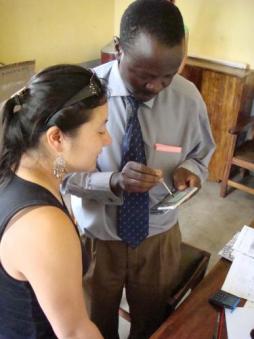
In Uganda, medical clinics keep track of patient and medical payment records on paper. They then carry these often error-ridden forms to a management agency, where the information is manually entered into a database to receive reimbursements for the care provide. The process is tedious, time-consuming and leads to errors that can be costly for the local clinics. Melissa Ho, a Ph.D. candidate at the University of California Berkeley School of Information in the United States, believes that a mobile phone can make the process more efficient and accurate, saving money and resources for local clinics.
In early 2008 violence errupted in Kenya after the most recent elections there the previous December. Post-election tribal warfare resulted in the death of 1,200 people, internally displaced 400,000 to 600,000 people, and destroyed more than 41,000 properties. The economic cost of the crisis has been estimated at more than KSh 100 billion (approx US $ 1.5 billion), with more than half a milion jobs lost. The World Bank noted that over 2 million Kenyans may have been driven into poverty as a result of the violence. Food security also declined with farmers unable to cultivate and harvest their farms in early 2008.